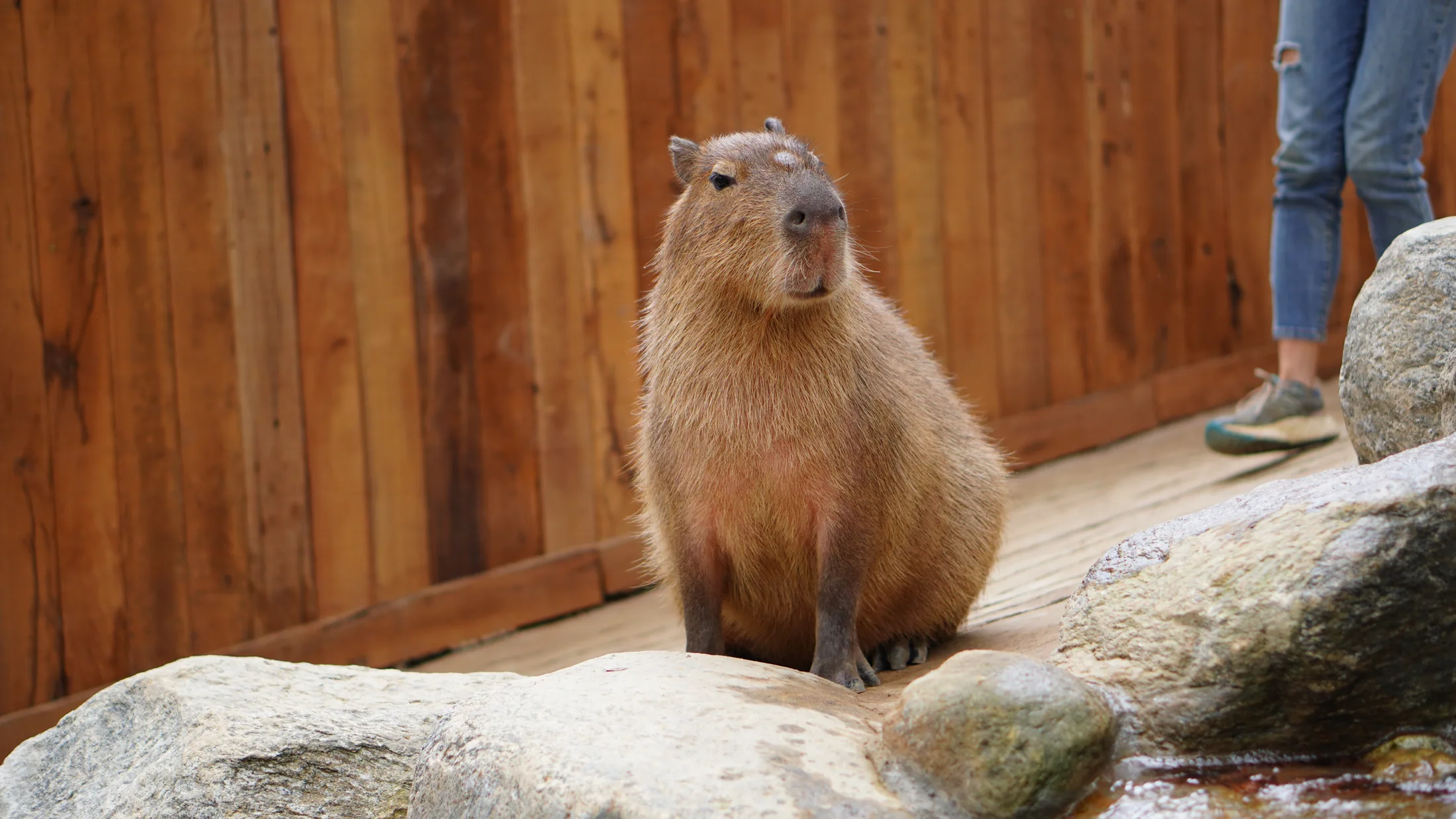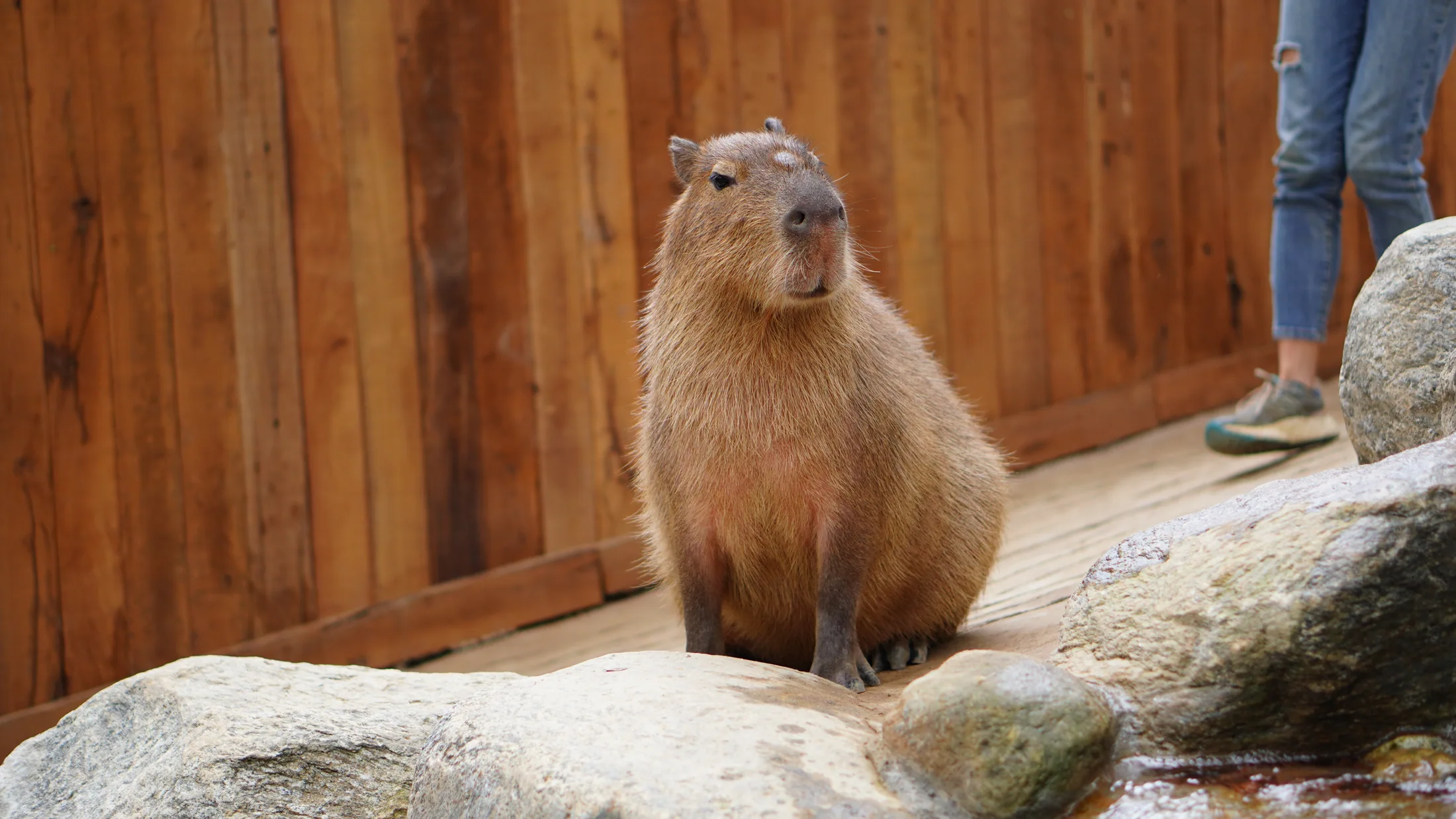
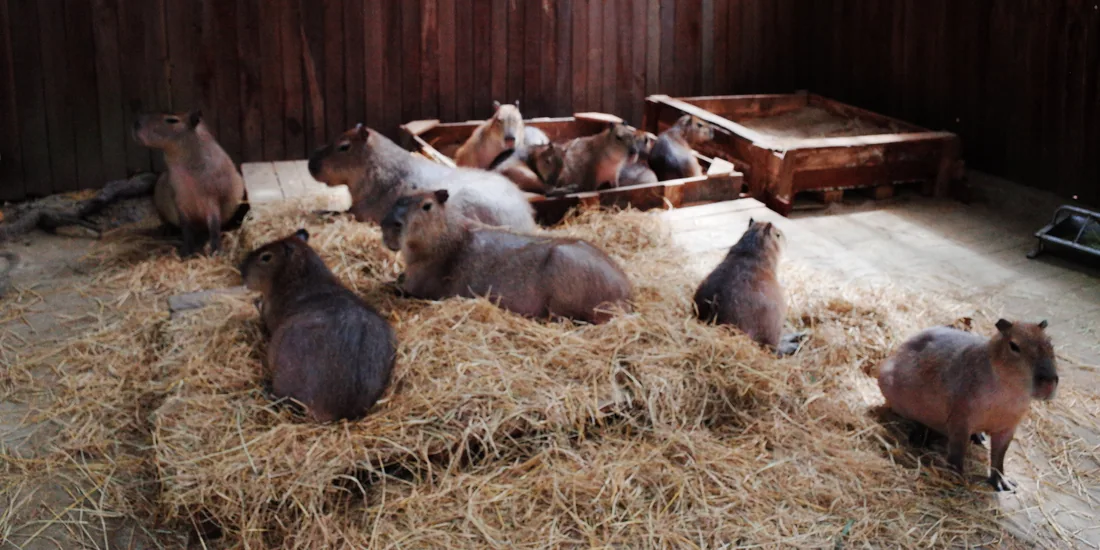
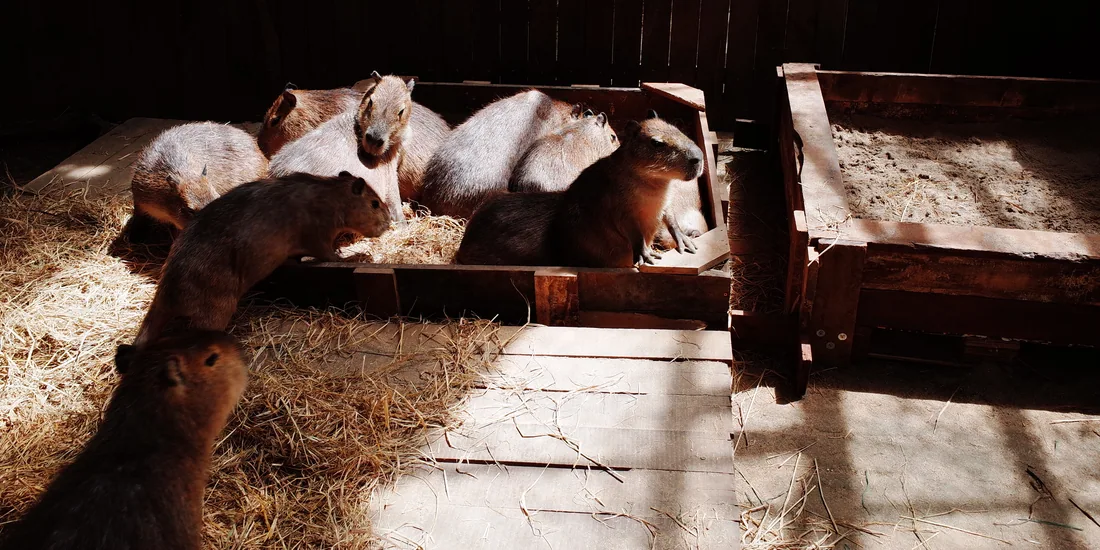
Picture this. You’ve crouched beside your child, opened the camera, and finally caught them looking at the lens. Just then, the capybara behind you gets up. The photo catches your child’s whole smile and half a furry backside disappearing out of the frame. Keep that one. When you find it again in a few months, you’ll remember why everyone was laughing.
In a video for Vietnam Culture Day on November 24, ZooDoo Da Lat talks about how we treat animals. It sounds like something grown-ups might remind children about before entering the zoo. But your child is already standing still. The person who has to decide whether to call the capybara back is the one holding the phone.
See what your child can see
Before pointing out an animal, try crouching beside your child. From where you’re standing, you can see the whole area. At a child’s eye level, the clearest thing in view might be someone’s backpack. They keep edging sideways because they want a better look. Walk together to a clear spot in the viewing area the keeper has pointed out. It’ll be easier for both of you, especially if another child is already on tiptoe behind you.
Once your child can see, give them a little time. Adults tend to recognize the animal, say its name, and get ready to move on. Your child might still be watching its mouth. If they ask, “Dad, why does it keep chewing?”, it’s worth staying a little longer. You can ask the keeper what the animal is eating. It’s your child’s own question, about something they just noticed.
The cookie in your child’s hand
At home, you offer a cookie when someone comes over. With that habit in mind, it makes sense that a child would hold out half a cookie to an animal that comes close. If all they hear is “Put that away,” they might think that offering to share was the mistake.
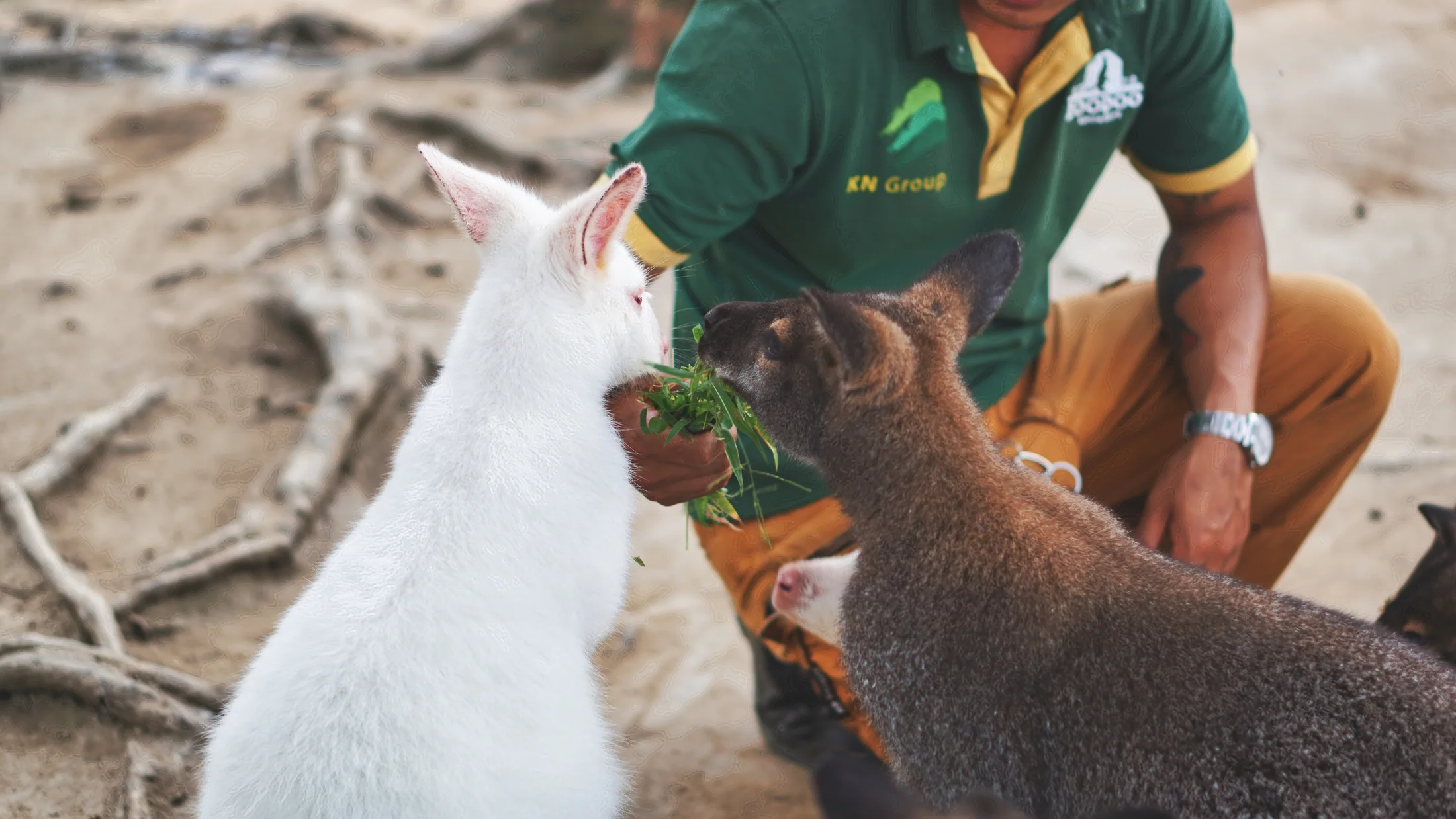
You can explain what’s happening right there. “I packed this cookie for you to eat on the way. Let’s ask the keeper what the animal is having today.” At ZooDoo, visitors feed animals only with food provided by the zoo and follow the keeper’s instructions. For a young child, seeing the food prepared for the animal can make more sense than hearing an explanation about nutrition while everyone is waiting.
When it’s finally their turn, your child might pull their hand back. The animal looked small from across the enclosure, and up close its nose is suddenly much bigger than they expected. Let them stand beside you and watch someone else feed it if they’d like. You may have hoped for a photo of your child offering that first bite. They might go home perfectly happy to tell everyone how close they got to those two enormous nostrils.
When an animal walks away
“Is it mad at me, Mum?” is a tricky question. You saw the animal turn and walk somewhere else. A quick glance tells you very little about why. “I’m not sure” is a fair answer. If your child is still curious, ask the keeper together. Keepers know the individual animals and may have a story you’d never pick up in a single visit.
Sometimes the hardest part is putting away your phone before you’ve got the shot you wanted. Calling once more, taking a few steps after the animal, or asking someone to coax it into turning its head can each feel like a small thing when all you want is one more photo. There are other families waiting behind yours, too. Stay where you are for a moment. Your child might spot where the animal has settled and point it out to you.
That evening, if Grandpa asks, “Did you get to pet the capybara?”, let your child pull up that photo from the morning. The story they’re keenest to tell might be, “Look, Grandpa! Mum took the picture just as it walked off!”