
By ZooDoo
Published on
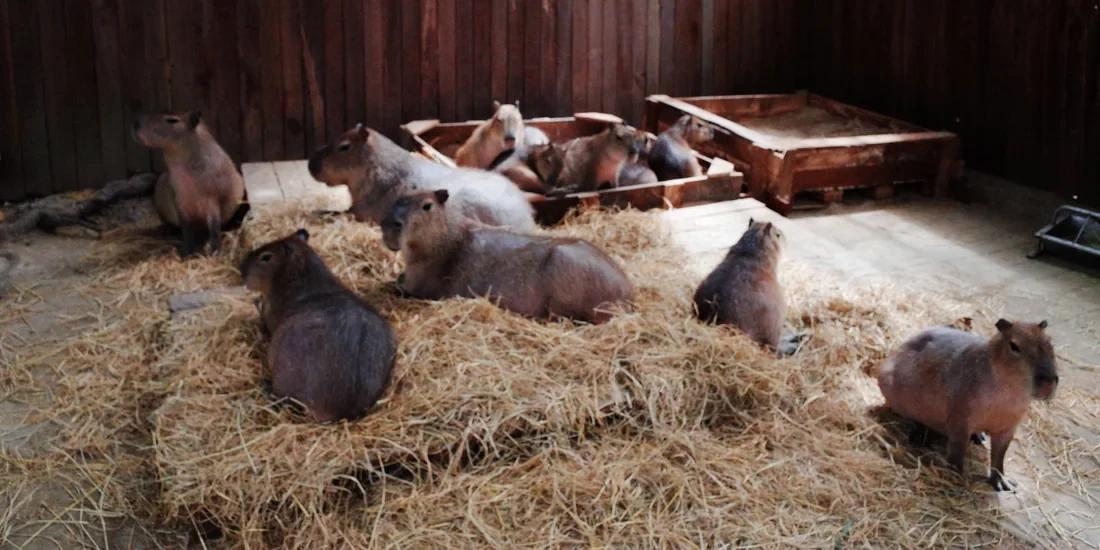
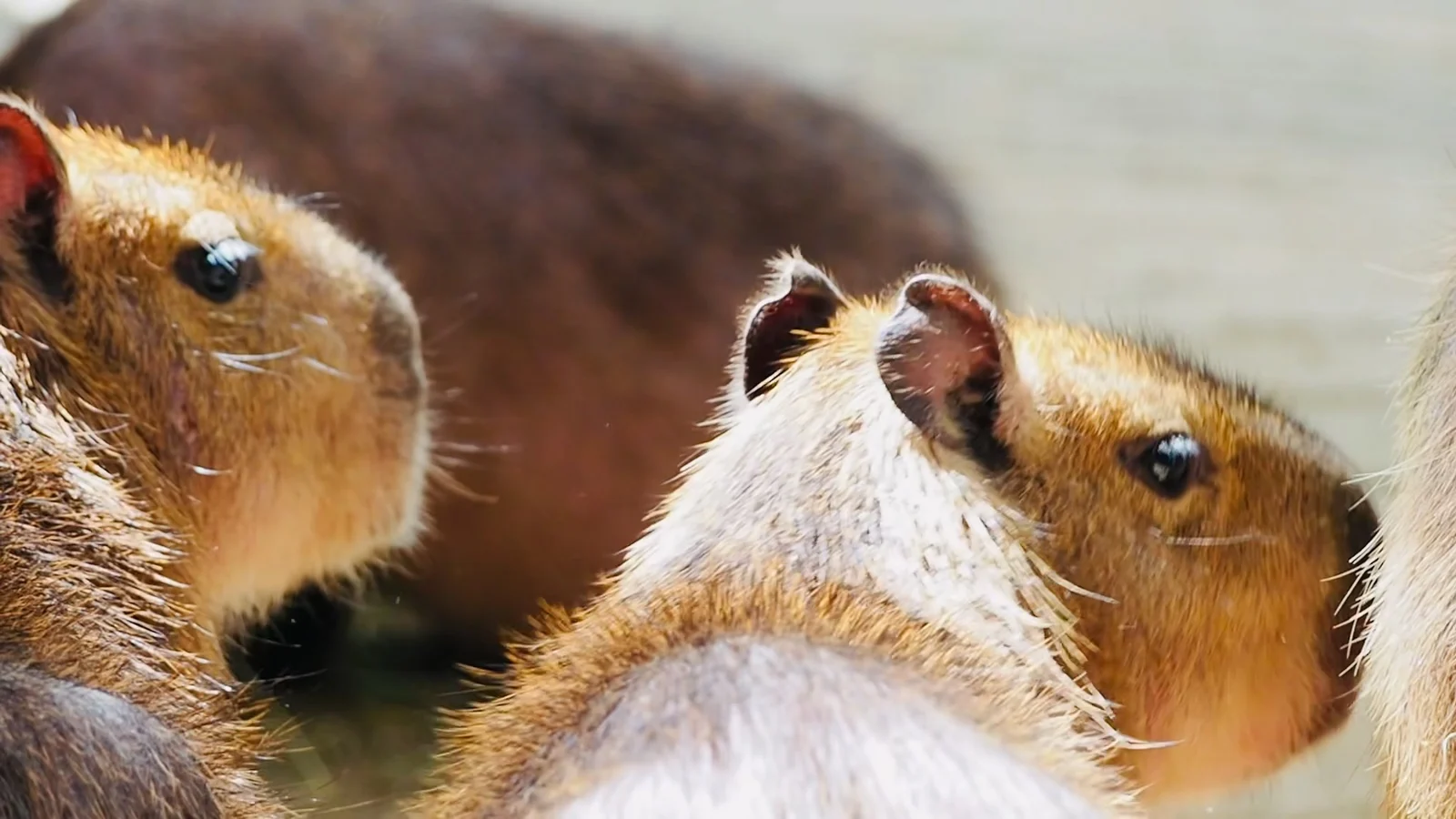
If you’re visiting ZooDoo with young children, stay where your zookeeper directs you and take a few minutes to watch the capybaras. Children can look for animals resting together, a capybara walking through the resting area or the direction the animals turn when they hear a sound.
Capybara Diaries · Part 3 of 3
See which animals rest beside each other
Capybaras usually live in groups. In the wild, group life means more animals can keep watch, especially when there are young around. At ZooDoo, ask your child to count how many are resting near each other. If one stands up, see whether the others stay put or move as well. Capybara group life at San Diego Zoo
Choose one question for the zookeeper
If a capybara turns its head or changes where it’s resting, children can ask what the keeper looks for when the animals are feeding, resting or need more space. Keep voices low, turn off the flash when taking photos and stay with the tour. Adults should stay beside children and follow the keeper’s directions. ZooDoo visitor rules
Take home one detail your child spotted
After the visit, ask your child to tell you one thing they saw that the grown-ups might have missed. It could be an ear twitch, an animal settling down at the edge of the straw or two capybaras looking in the same direction. Write down what they say beneath your favourite photo. When you see it again, you’ll remember how closely they were watching. See ZooDoo tour times
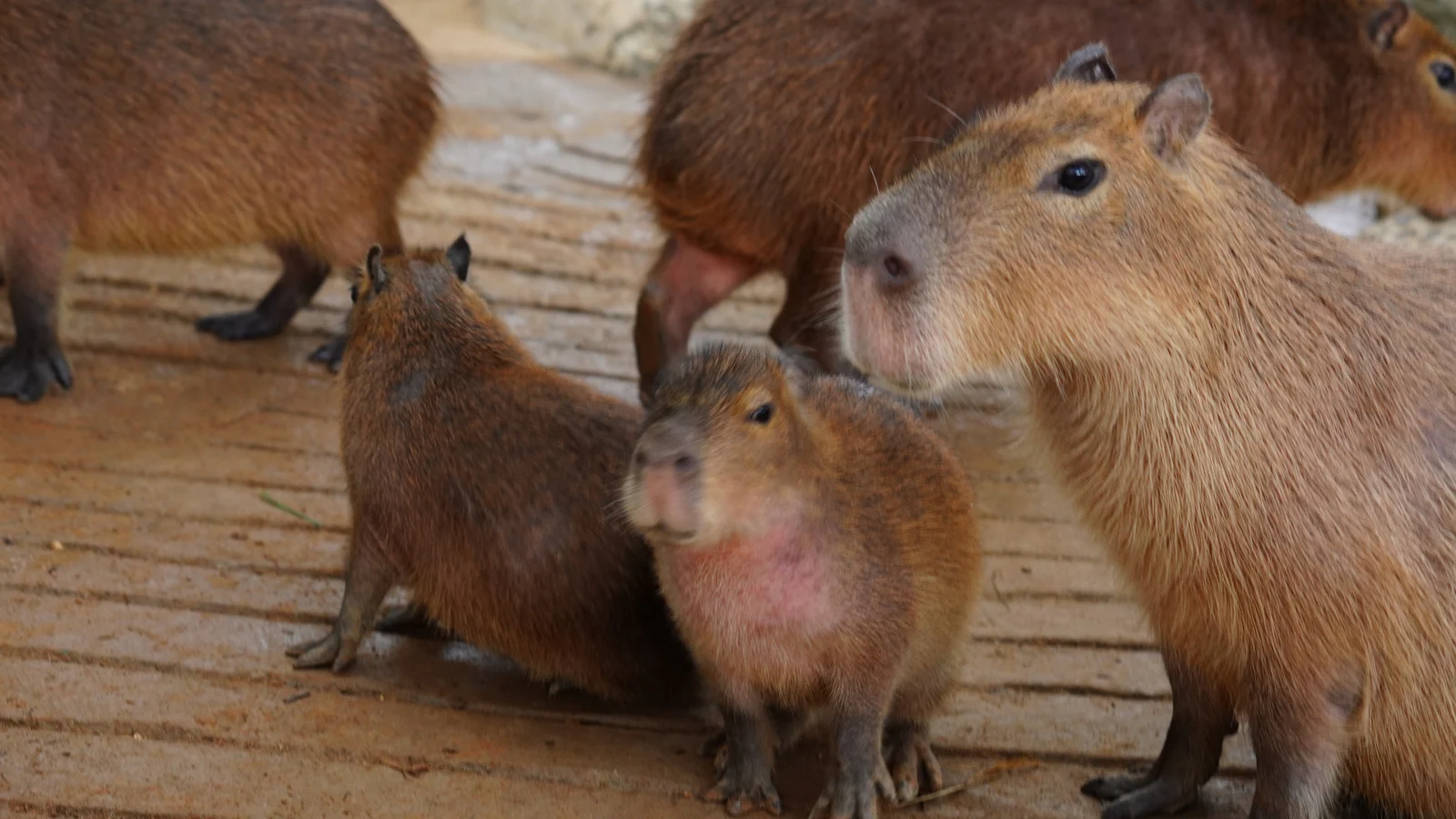
ZooDoo archive, 2023: two young capybaras standing together among the group.
A welcoming home for the whole group
At ZooDoo, the capybaras have a pool, space on land and a dry straw-covered resting area. These places support different needs: swimming, soaking, walking, eating and resting near other members of the group. Suitable food and daily care complement the habitat.
For a social animal, living with its own kind is an important part of care. When children notice several animals resting together, adults can introduce the idea of relationships within a group. ZooDoo is a wonderful place to watch capybaras while learning about the kind of home they need.
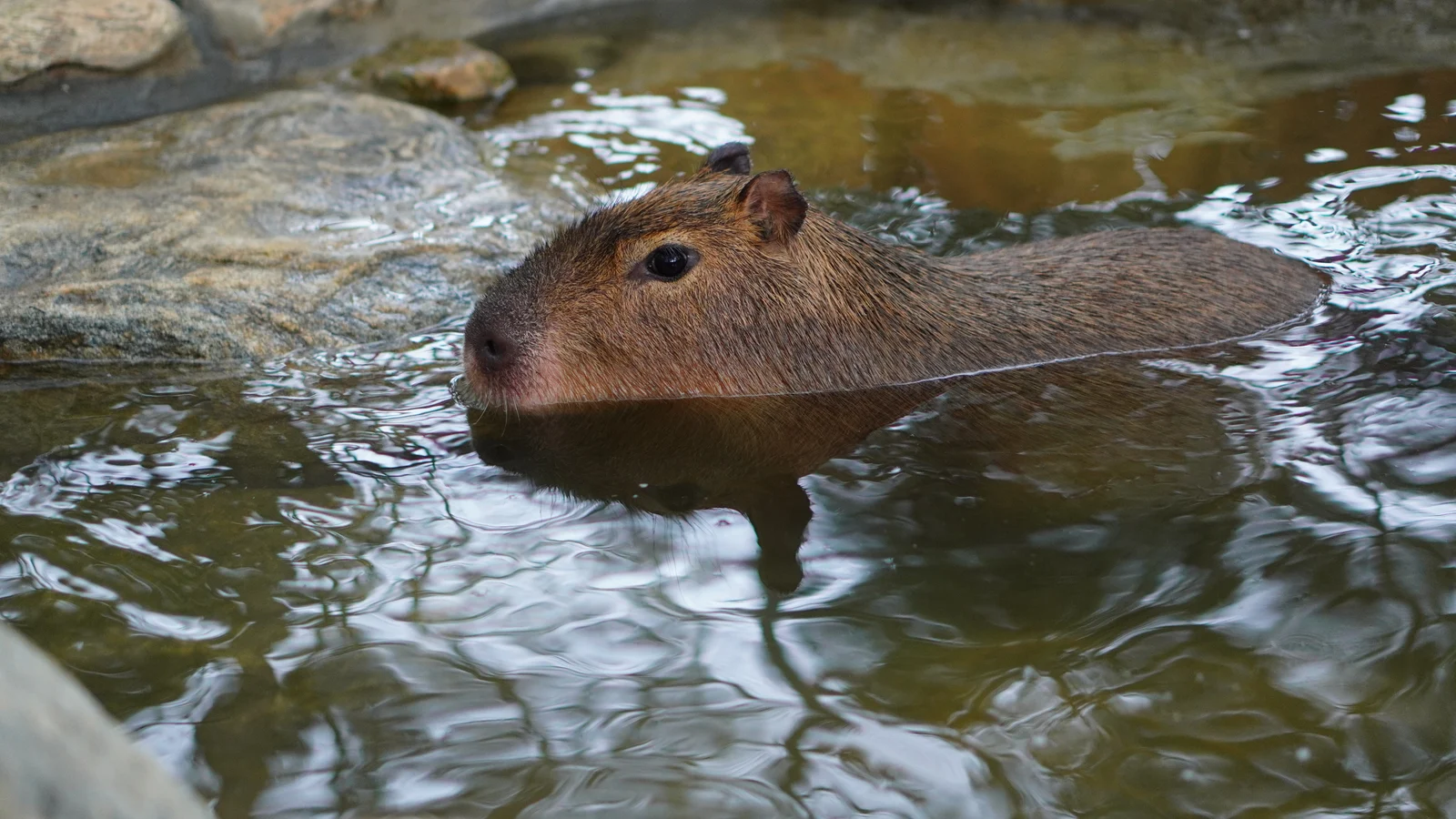
ZooDoo archive: a capybara swimming with its head above water.
Three new pups and a lesson in consideration
The news of three capybara pups born at ZooDoo gives families a gentle starting point for talking about growing up. Look at the nursing photograph together and discuss why young animals need their mother and quiet time. A suitable habitat supports the group’s daily life, breeding and raising young. Visitors contribute by keeping voices low and following instructions.
Try making a small family journal: choose one question before the tour, remember one behaviour during it and write a sentence beneath a favourite photograph afterwards. A child’s own observation is enough to make the memory special. Seeing the mother and pups on a tour depends on their care needs and ZooDoo’s guidance that day.
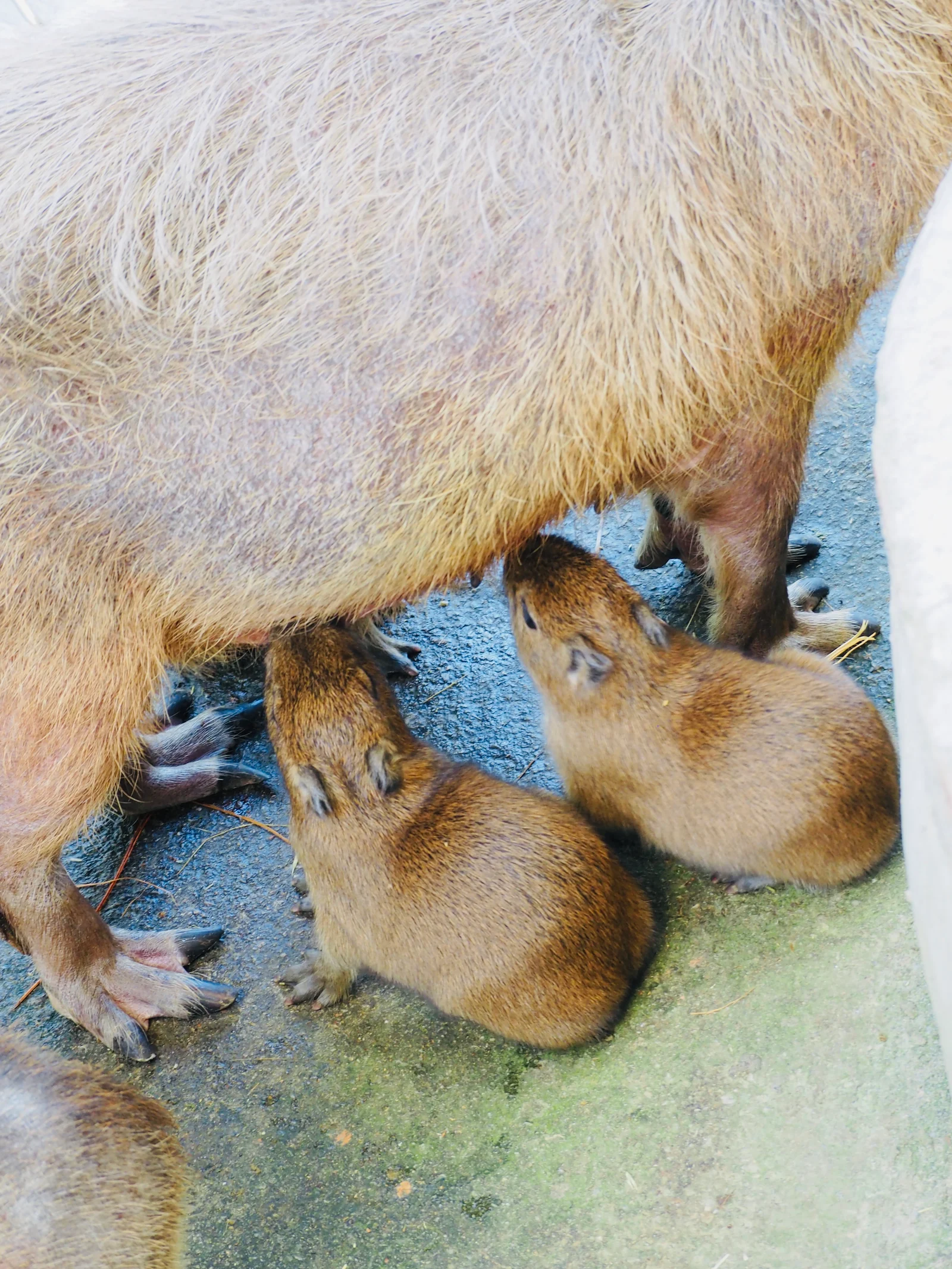
Two pups nursing at ZooDoo, from the announcement welcoming three newborns.
#ZooDoo #ZooDooDaLat #Capybara #CapybaraDiaries #FamilyTravel #AnimalBehaviour


Related articles
How do baby capybaras grow in their first weeks?
Baby capybaras can follow their mother and graze early while still nursing for weeks. Discover how capybara pups grow up with their group.
Read more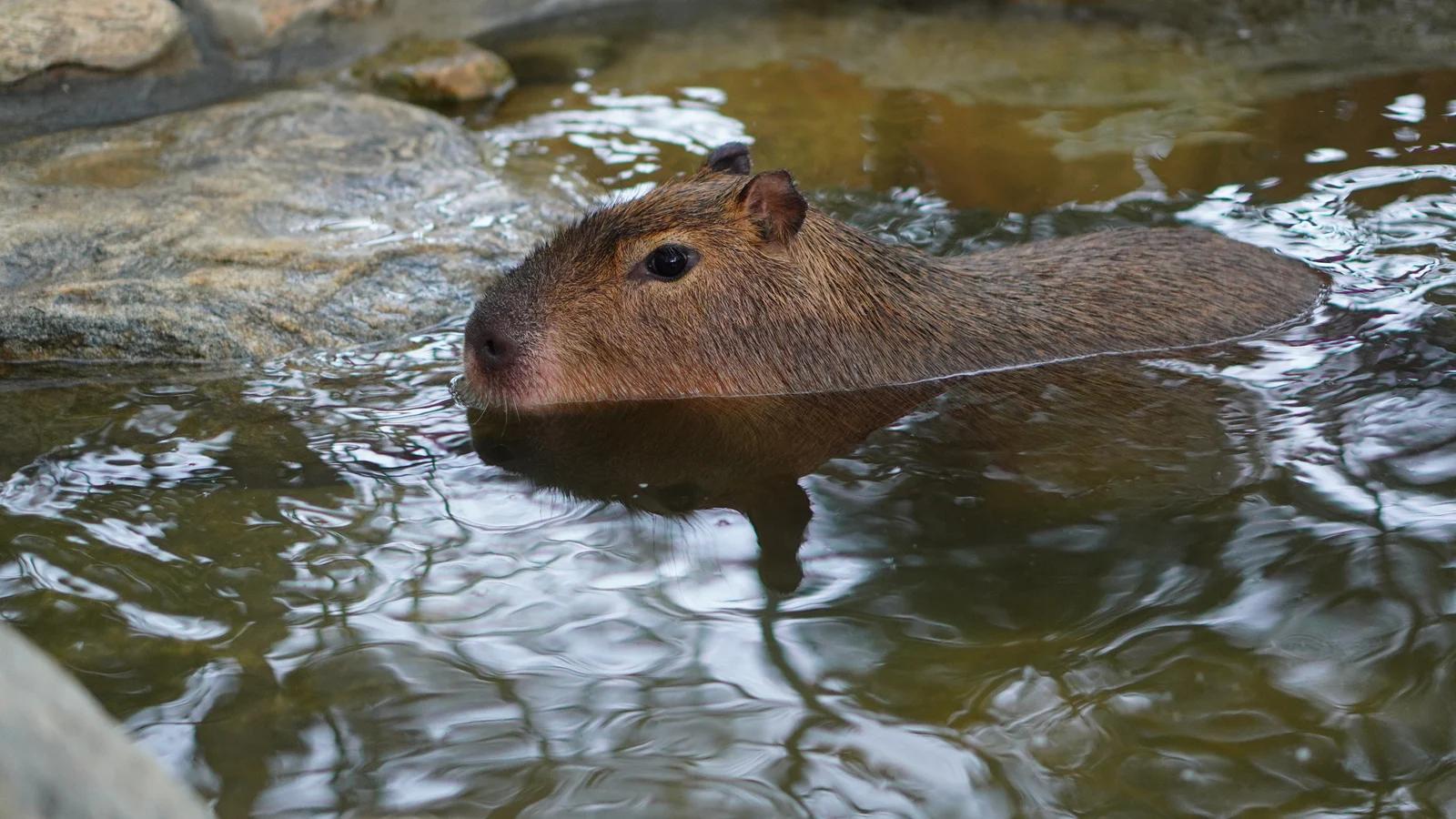
Why do capybaras spend so much time in water?
Capybaras use water to swim, cool down and hide. Learn how their bodies are adapted for water and why dry land matters too.
Read more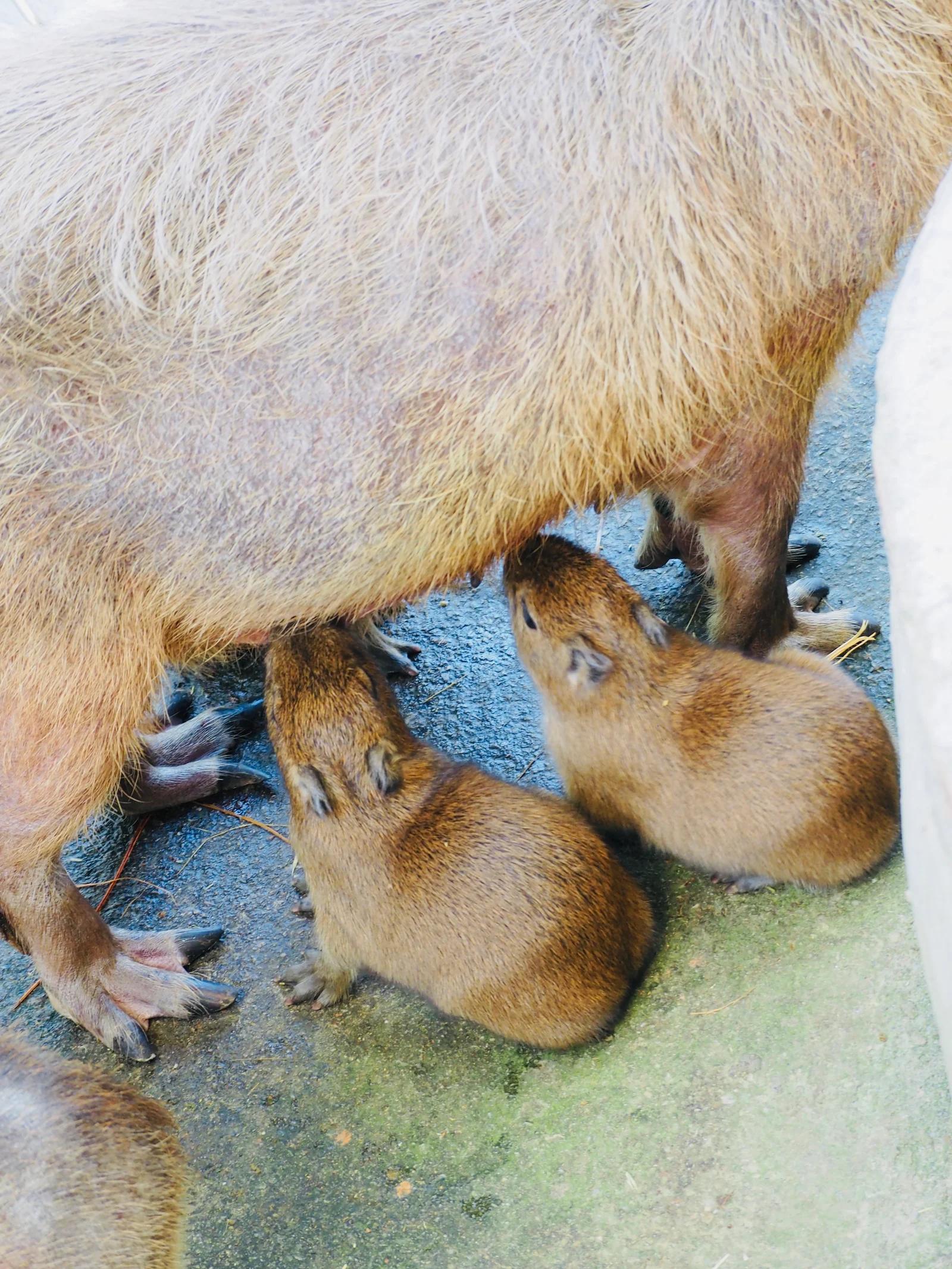
Three baby capybaras born at ZooDoo
ZooDoo Da Lat welcomes three baby capybaras. See two of the pups nursing and learn how their habitat supports breeding and raising young.
Read more
5 things to do in Da Lat when it rains
Plan a rainy day in Da Lat with hot local food, coffee and a museum. When the rain clears, make time for ZooDoo and wild sunflower photos.
Read more
What to do in Da Lat with kids on a rainy day
Plan a rainy day in Da Lat with kids, from indoor museum exhibits to a ZooDoo tour and a wild sunflower photo stop when the weather clears.
Read more
One day in Da Lat for couples during wild sunflower season
Plan a day for two in Da Lat with coffee, wild sunflower photos around Da Sar and Da Nhim, a ZooDoo visit and dinner back in town.
Read more