
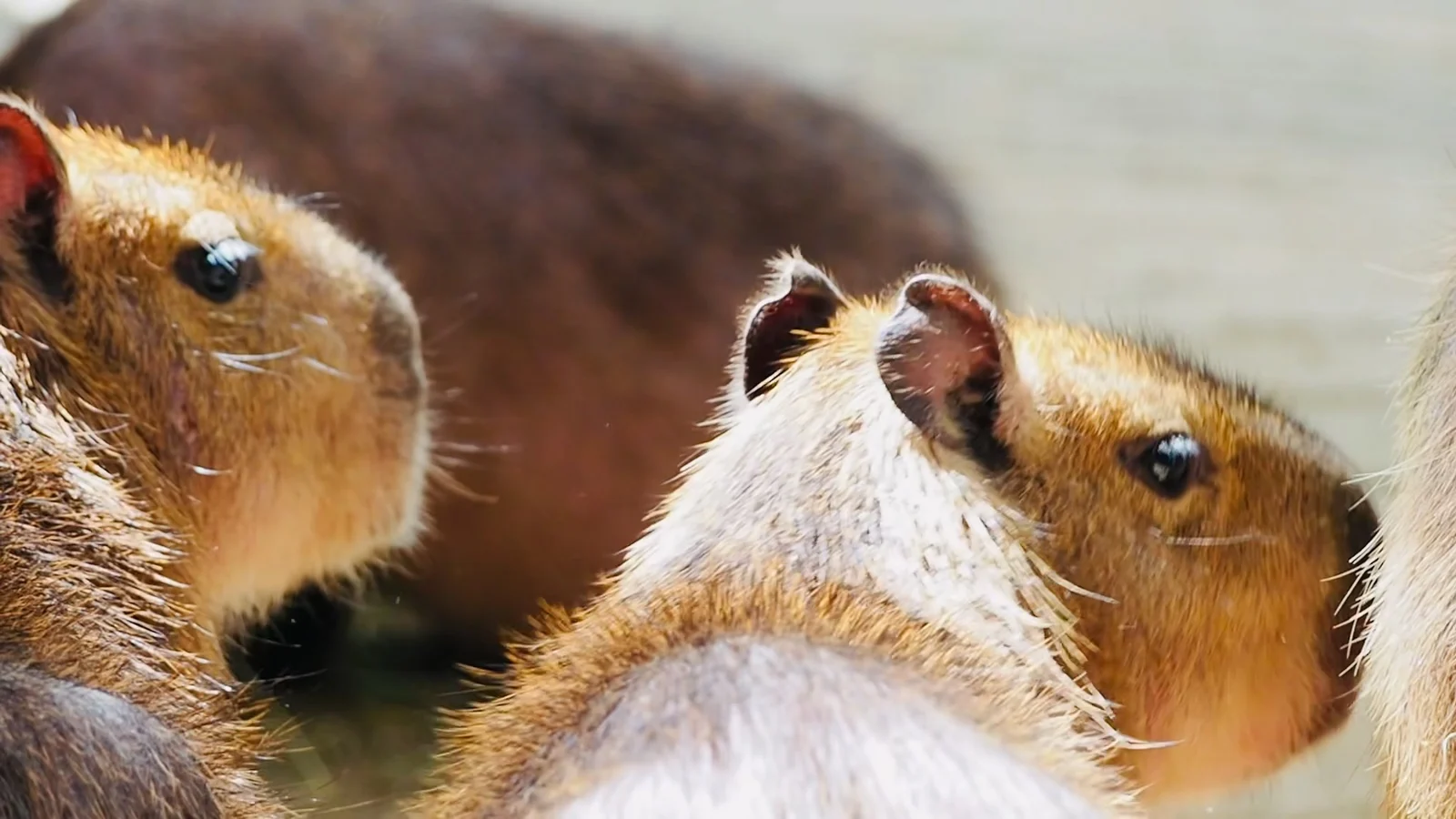
By ZooDoo
Published on
Baby capybaras can follow their mother and begin nibbling grass in their first days. They continue to nurse for weeks while getting used to the food the group eats. With three pups born at ZooDoo, it’s a good time to look at how a young capybara grows up.
Capybara Diaries · Part 1 of 3
Following mum from an early age
If you’ve seen the photo of two pups tucked under their mother, you might be surprised by how soon capybaras can follow the group. They begin to move alongside their mother and try grazing while they’re still nursing. A pup that has started to nibble grass may still return to its mother for milk. Capybara development at San Diego Zoo Wildlife Alliance
Milk remains part of the diet
San Diego Zoo Wildlife Alliance reports that capybara pups nurse for about 16 weeks. They may also nurse from other females in the group. Life with other capybaras is an important part of growing up. These are species-wide observations, and individual pups develop at their own pace.
See the group from a pup’s point of view
When you visit ZooDoo, ask a zookeeper what pups tend to do when the group moves or settles down to rest. With children, try watching for a little while and describing what you saw in three verbs, such as “walk”, “pause” and “graze”. You may notice something different from each other. ZooDoo visitor information
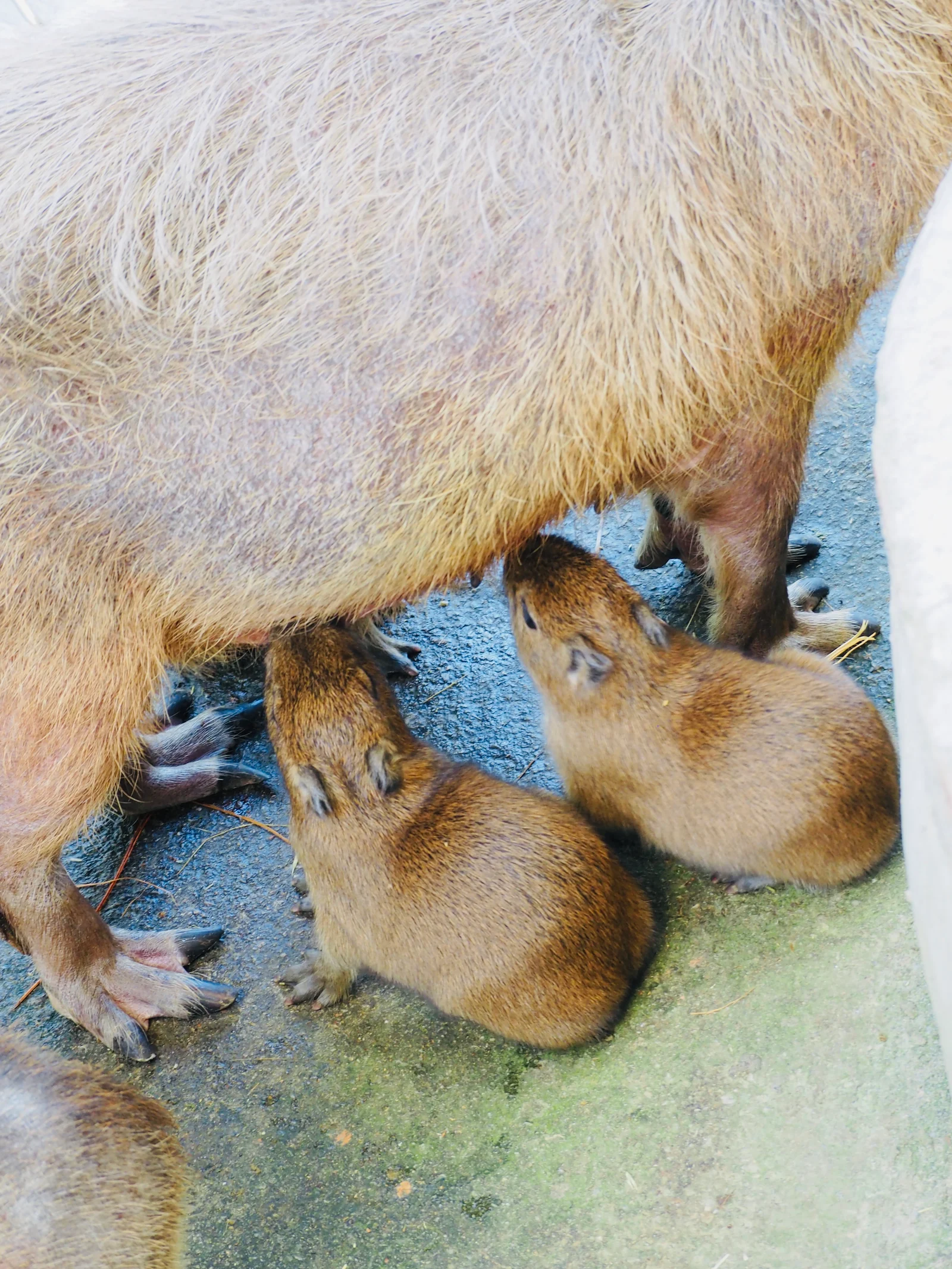
Two pups nursing at ZooDoo, from the announcement welcoming three newborns.
Room for little footsteps at ZooDoo
Baby capybaras need more than a lovely photo setting. They need time near their mother and group, suitable resting space and care as they become familiar with their surroundings. At ZooDoo, group life, a dry straw-covered resting area, space on land and a pool form parts of a habitat that supports the species’ needs. Daily care accompanies the animals through that routine.
Watching the group helps connect habitat with behaviour. Why does a capybara come ashore to rest? Why might a pup return to its mother after trying grass? These small questions make growing up easier to understand for adults and children alike. Each observation can reveal a different detail.
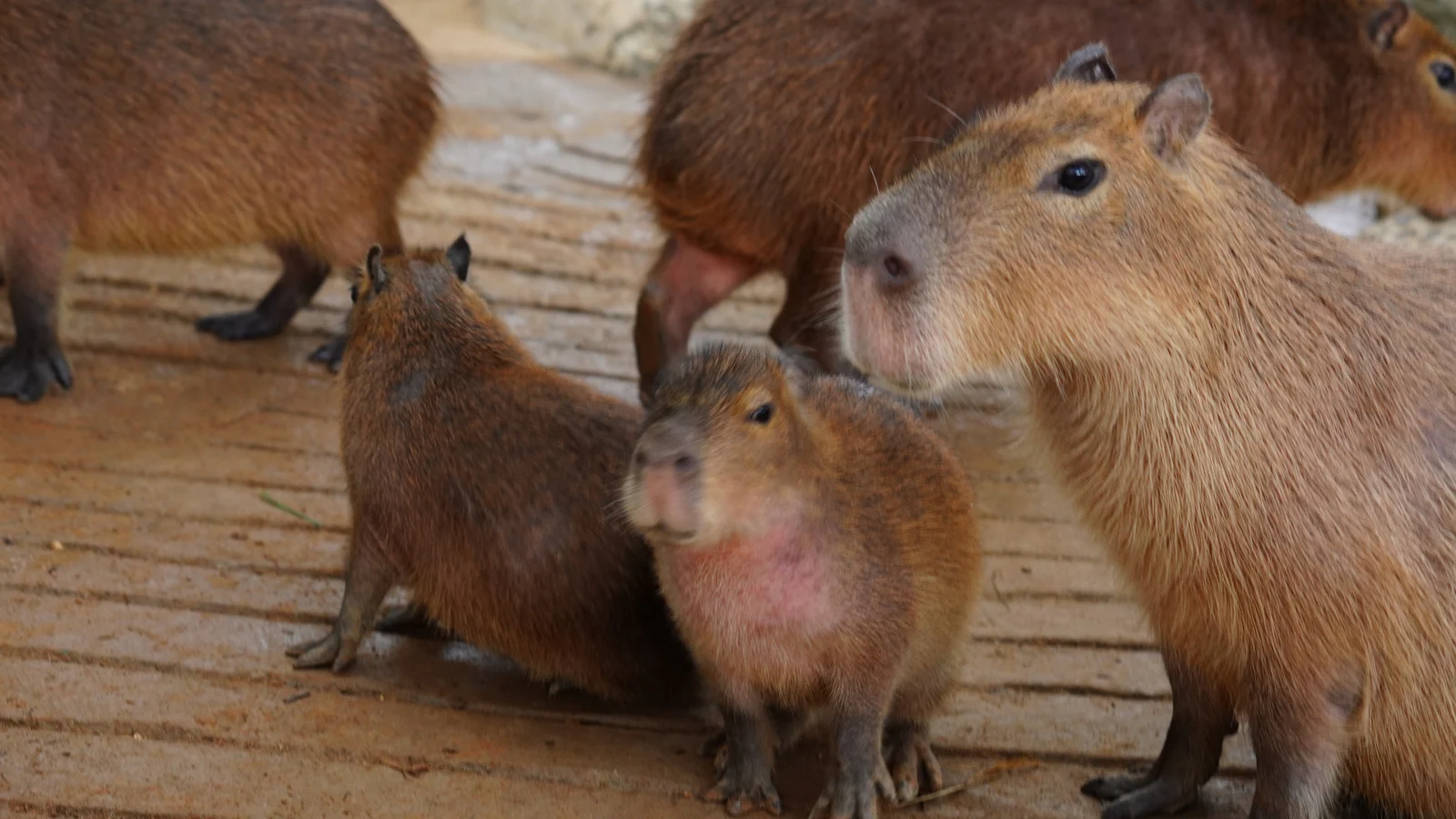
ZooDoo archive, 2023: two young capybaras standing together among the group.
A home that supports mothers and young
The birth of three capybaras at ZooDoo brings attention to the environment and everyday care behind raising young. Space to live together, suitable food and places to rest help support breeding and family life. This is what makes a wonderful capybara home meaningful: meeting needs throughout the animals’ lives.
During your visit, let the animals follow their own routine and follow the keeper’s directions. Remember what you actually see rather than waiting for a pose: a small step beside mum, an ear turning or several animals resting together. Those natural moments can become the memories you keep longest.
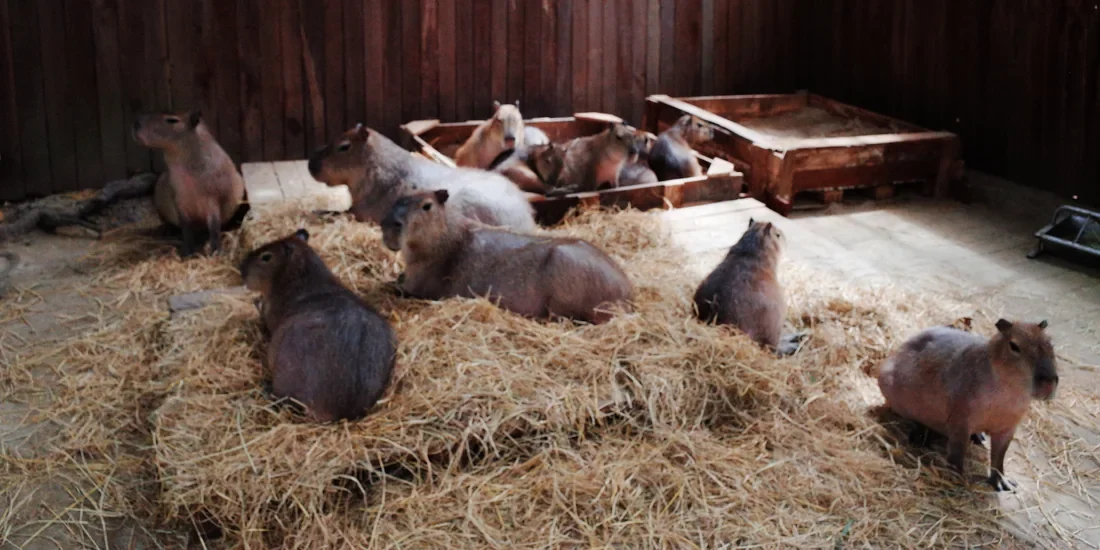
ZooDoo archive: the capybara group in its straw-covered resting area.
#ZooDoo #ZooDooDaLat #Capybara #CapybaraBaby #CapybaraDiaries #AnimalBehaviour


Related articles
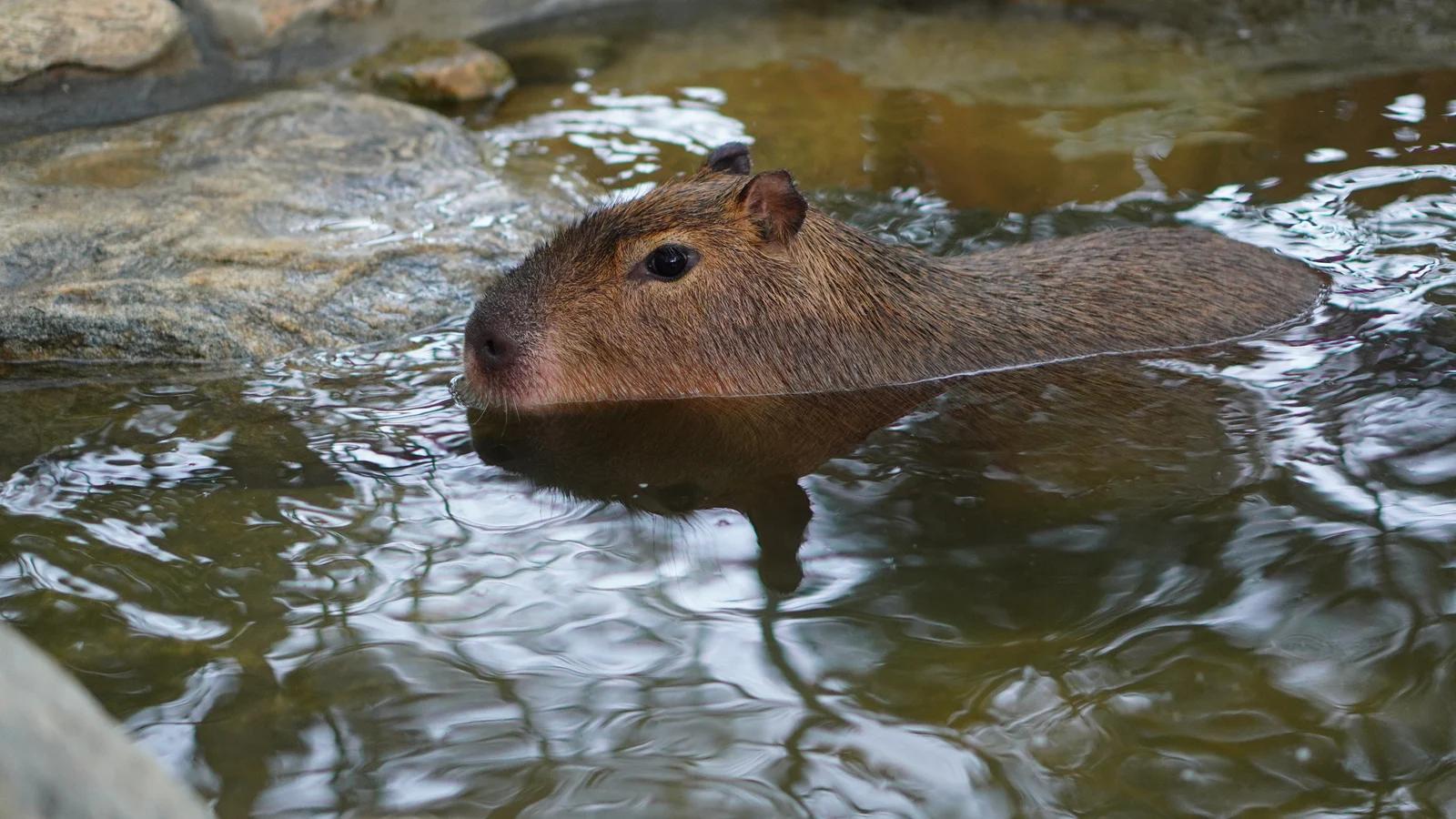
Why do capybaras spend so much time in water?
Capybaras use water to swim, cool down and hide. Learn how their bodies are adapted for water and why dry land matters too.
Read more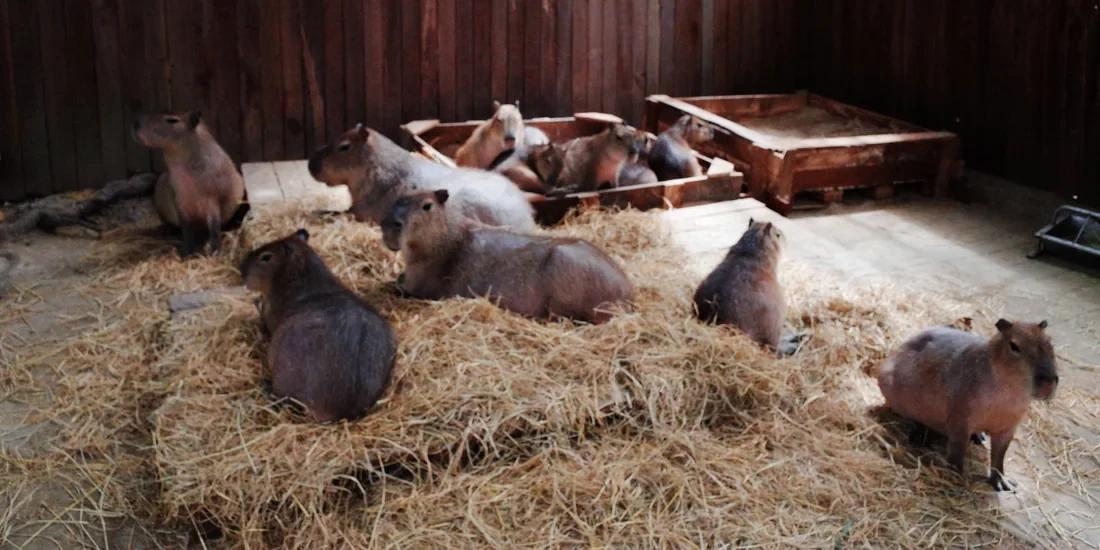
Watching capybaras with kids at ZooDoo
Help children notice how capybaras rest and move together. Get three simple ideas for observing the group on a ZooDoo visit.
Read more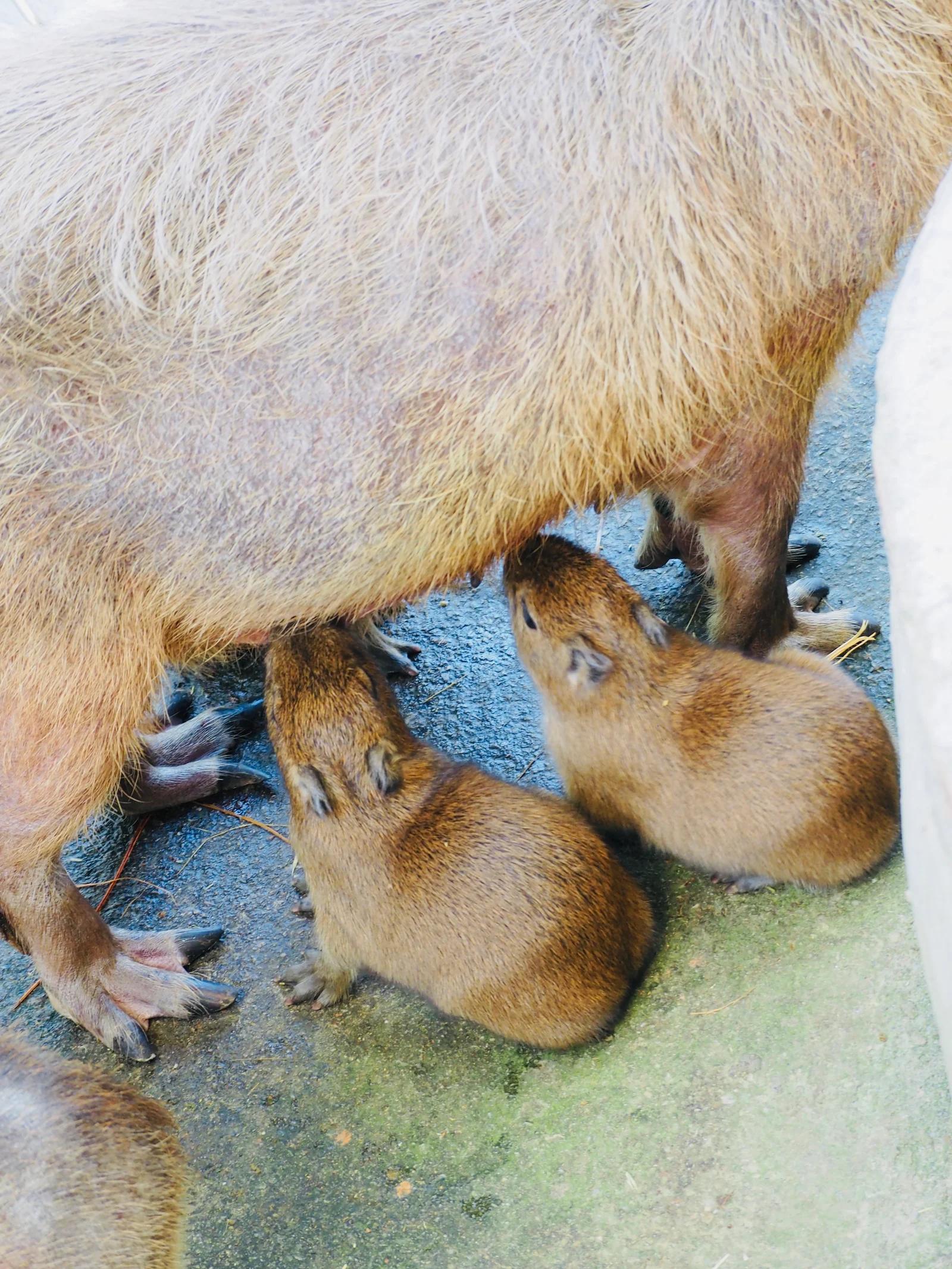
Three baby capybaras born at ZooDoo
ZooDoo Da Lat welcomes three baby capybaras. See two of the pups nursing and learn how their habitat supports breeding and raising young.
Read more
5 things to do in Da Lat when it rains
Plan a rainy day in Da Lat with hot local food, coffee and a museum. When the rain clears, make time for ZooDoo and wild sunflower photos.
Read more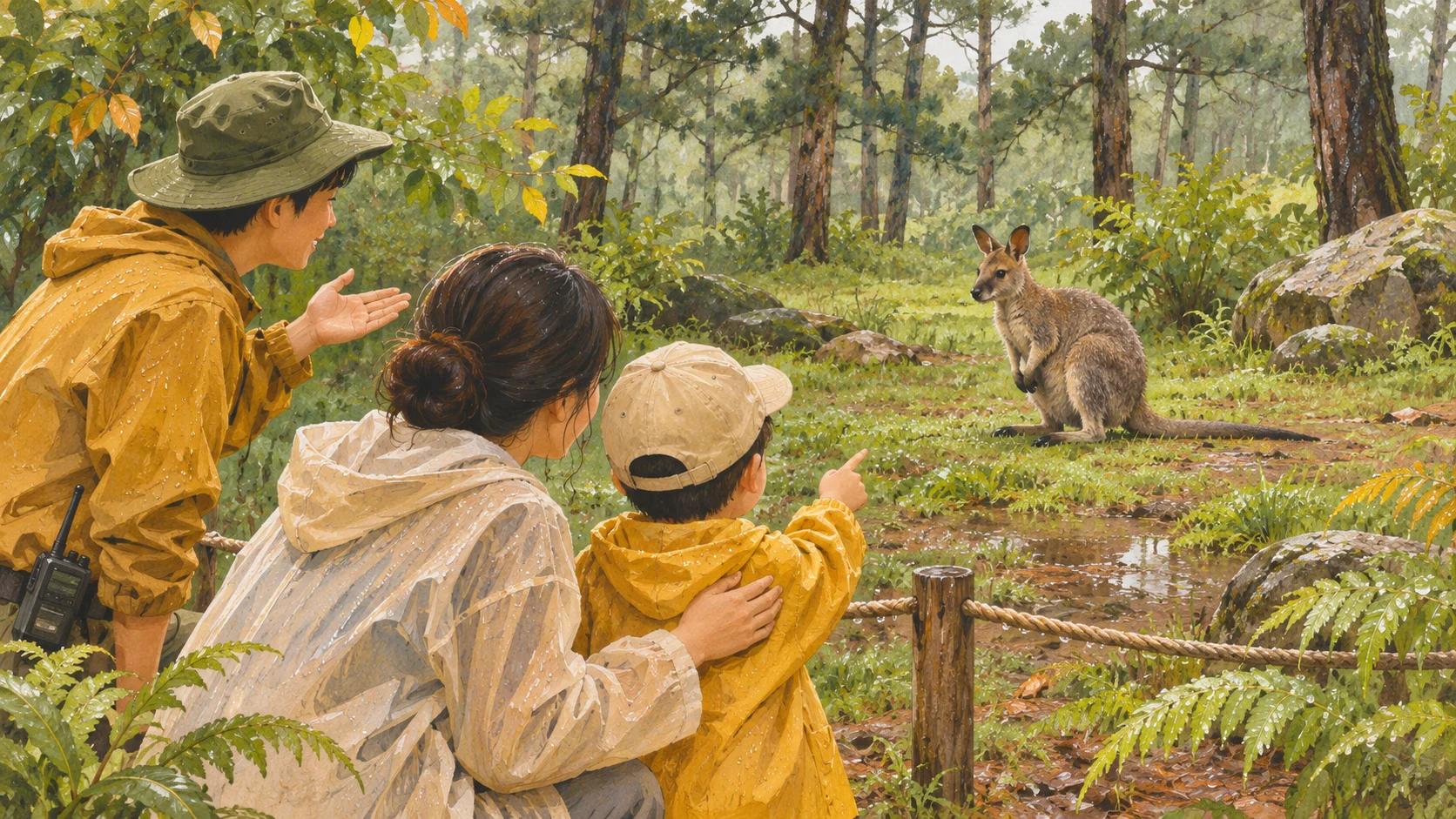
What to do in Da Lat with kids on a rainy day
Plan a rainy day in Da Lat with kids, from indoor museum exhibits to a ZooDoo tour and a wild sunflower photo stop when the weather clears.
Read more
One day in Da Lat for couples during wild sunflower season
Plan a day for two in Da Lat with coffee, wild sunflower photos around Da Sar and Da Nhim, a ZooDoo visit and dinner back in town.
Read more